Data Permissions for Roles & Teams
@ Observe.ai
@ Observe.ai
Duration: 1.5 months
Role: Lead Product Designer
Team: 2 Product Designers, Product Manager, Eng. Architect
Status: Shipped and active in product
Result
✅ Features are shipped and live in the product for all clients as of 2026.
✅ Features are shipped and live in the product for all clients as of 2026.
What was the Problem?
1. Contact Centers have hierarchical team set-ups, that govern who has access to a certain 'level' of information. In Observe, setting up hierarchical teams was not possible, and clients found workarounds for this need.
1. Contact Centers have hierarchical team set-ups, that govern who has access to a certain 'level' of information. In Observe, setting up hierarchical teams was not possible, and clients found workarounds for this need.
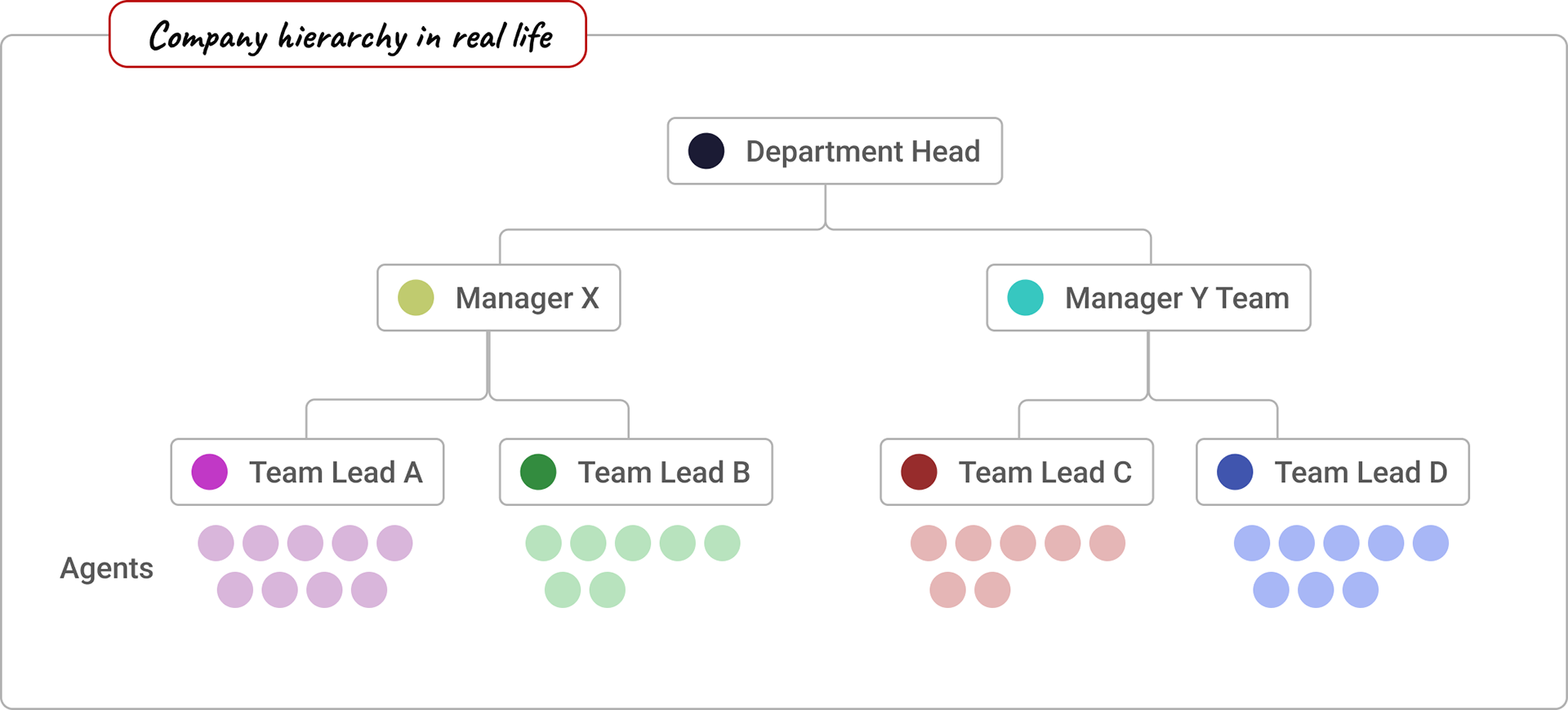
2. These workarounds work only for basic needs, but for larger enterprises with more complex requirements, this system becomes a manual burden with manual edits, amplified by the high attrition rate in this industry.
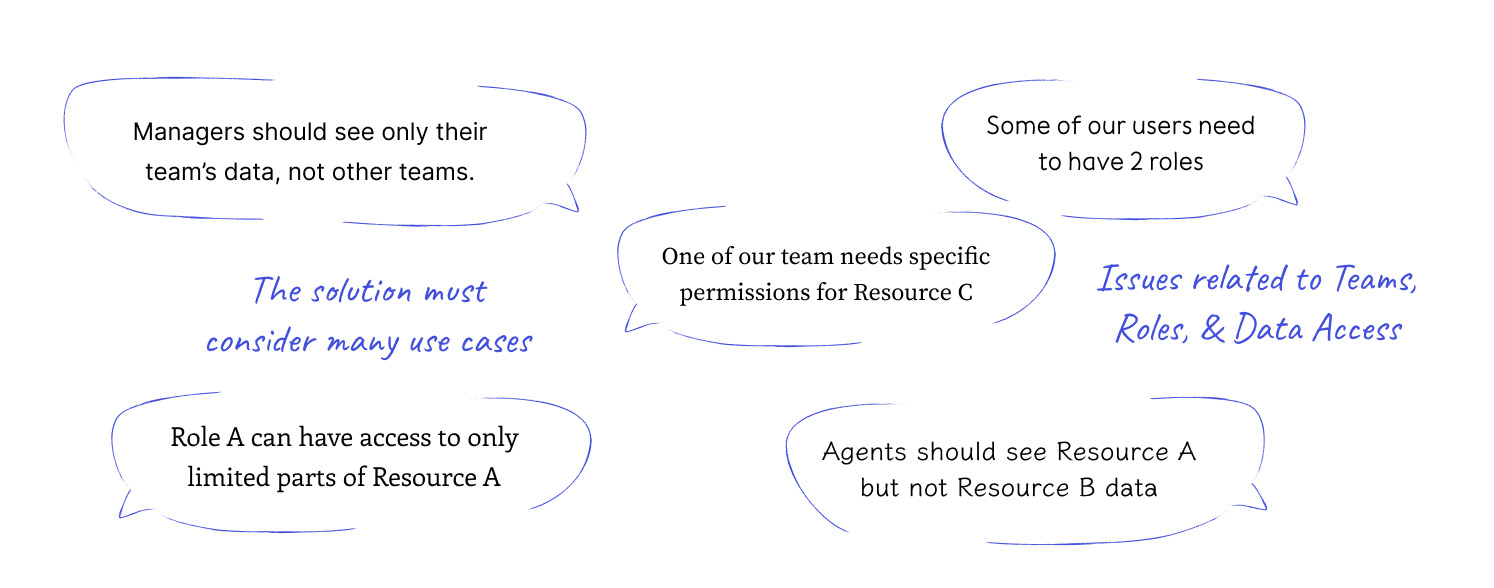
3. 10 + additional use cases have been raised by multiple clients, related to data permissions that are not available, but important for their functioning & continuing to use the product.
3. 10 + additional use cases have been raised by multiple clients, related to data permissions that are not available, but important for their functioning & continuing to use the product.
Why is this important?
The Goal
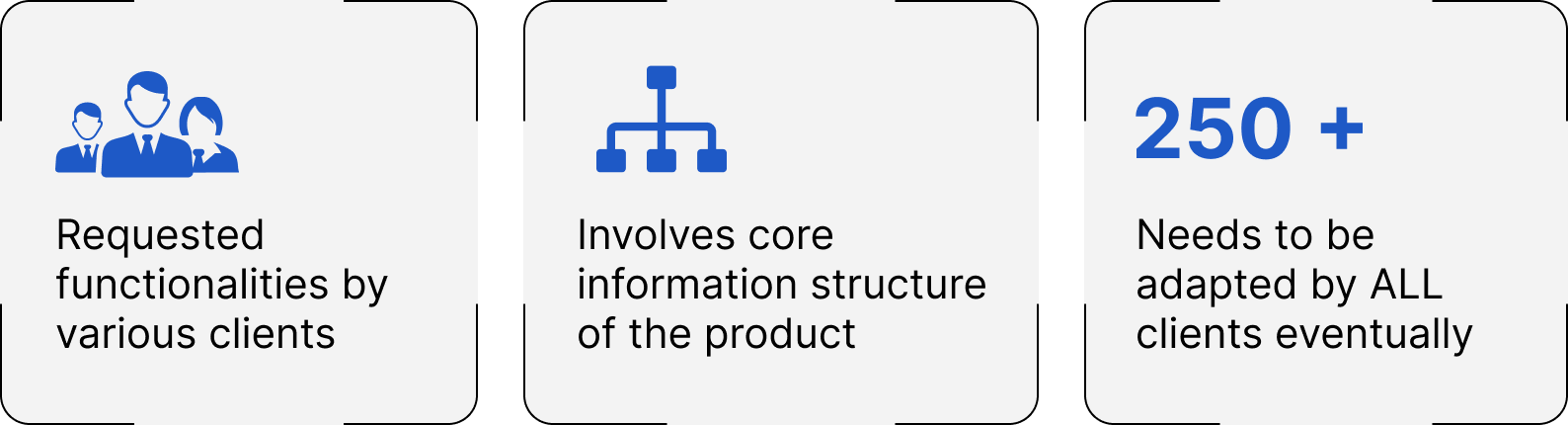
Expand the data access control panel to include the complex use cases, while making it easy for 250+ Clients to migrate and adapt to the new system.
Some Context
▪️ 10+ Clients interviewed over multiple recurring calls to learn about this problem and it's specific use cases.
▪️ 10+ Clients interviewed over multiple recurring calls to learn about this problem and it's specific use cases.
▪️ Feedback on Prototype from 5 Clients after designing the prototype made with their data.
▪️ Observe.ai has 250+ enterprise customers in North America and Europe including DoorDash, Accolade, Asurion, Concentrix, Signify Health, Maxor and Pearson.
▪️ Observe.ai has 250+ enterprise customers in North America and Europe including DoorDash, Accolade, Asurion, Concentrix, Signify Health, Maxor and Pearson.

Design Highlights
• Understanding Complex Data Permission User needs & settings
The underlying mechanism for how permissions, roles and teams work was being updated, and this included new additional ways in which access can be assigned. We had to keep track of how a role would view information given each combination of permissions, which settings would override, and which combinations should not be allowed. These changes would show up in various places throughout the product - all of which the design had to cover.
The underlying mechanism for how permissions, roles and teams work was being updated, and this included new additional ways in which access can be assigned. We had to keep track of how a role would view information given each combination of permissions, which settings would override, and which combinations should not be allowed. These changes would show up in various places throughout the product - all of which the design had to cover.
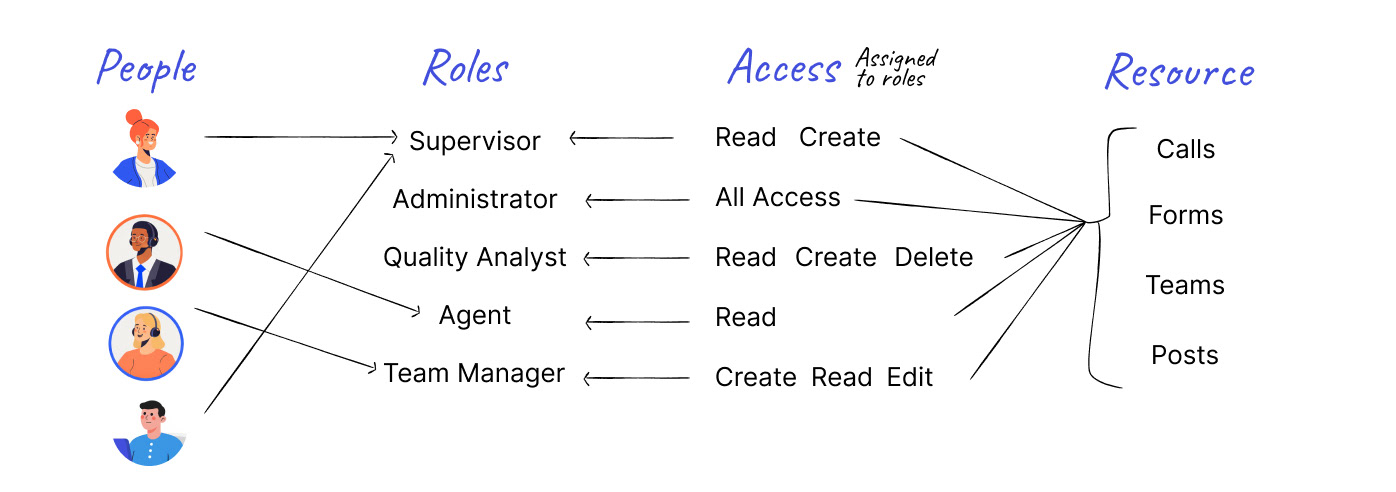
The process included many discussions where this new system was created. I had to understand how this worked deeply, so that it could be reflected in the design. The interface had to be direct, simple and easy to understand for users.
• Small details that have a big impact on experience
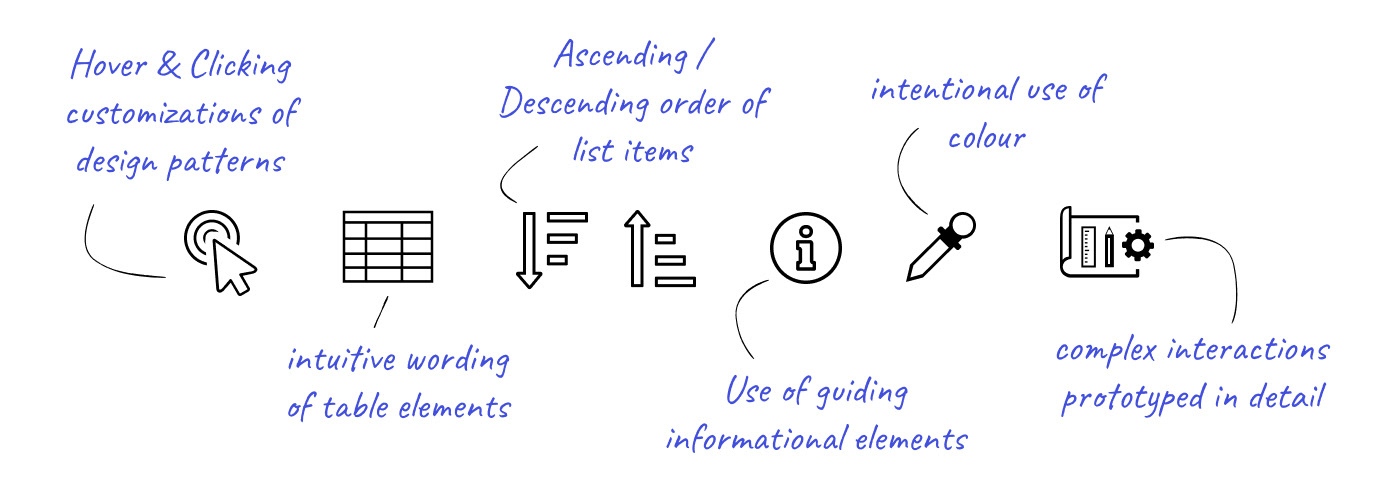
These changes show up in many 'small' places across the product. Lists, drop-downs, filters, and action buttons. Design System elements were customised to carefully support the mental model of the information being presented - changes in colour, order of lists, hover/ click interactions were intentionally made. Because of the complexity of the Permissions configuration, the Figma prototype was made with complete interaction depth, so that all combinations and states could be tested out.
These changes show up in many 'small' places across the product. Lists, drop-downs, filters, and action buttons. Design System elements were customised to carefully support the mental model of the information being presented - changes in colour, order of lists, hover/ click interactions were intentionally made. Because of the complexity of the Permissions configuration, the Figma prototype was made with complete interaction depth, so that all combinations and states could be tested out.
• Considering future adjustments & expansions
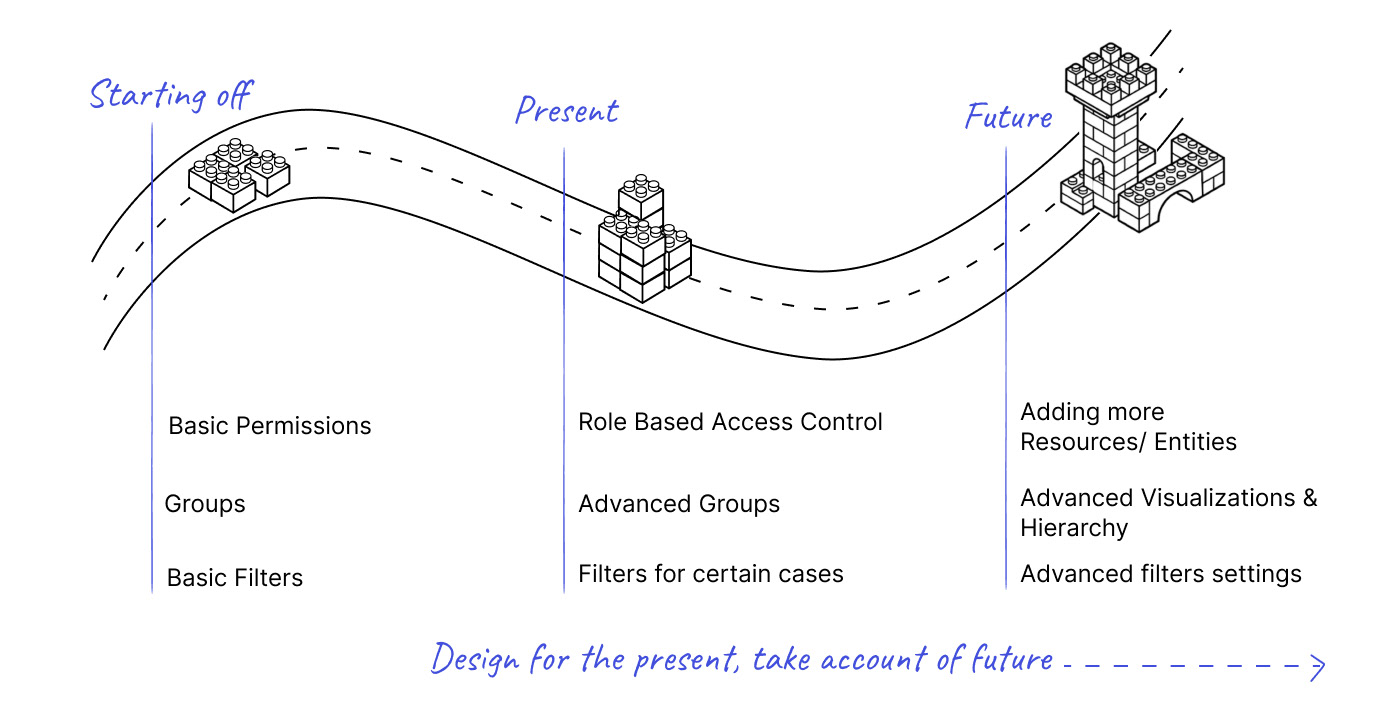
The design had to be able to accommodate future additions of elements or resources. If the product expanded to fit more use cases, or "data types", it had to fit seamlessly into the system.
The design had to be able to accommodate future additions of elements or resources. If the product expanded to fit more use cases, or "data types", it had to fit seamlessly into the system.
All images are illustrative & don't represent the actual product.
To see the solution and look at the story in detail,
use the password provided on my Resume to access the full case study!
To see the solution and look at the story in detail,
use the password provided on my Resume to access the full case study!
Experience & Reflections
Through this project, I learned the high impact small interaction details can have on User Experience. This was one of the early projects I worked on at Observe, and talking to the clients and Admins first-hand put a real person behind the personas we designed for every day. There was strong support and collaboration with Senior Designers and the Product Manager, and I am thankful for their expertise in making this project a success. This was a complex project that was active for a long time, and required strong development support. Many long discussions and reviews later, we were able to provide a comprehensive solution for the clients' needs.
The next step to gauge the success of this project would be to track usage data, talk to early on-boarders, and enhance the experience according to the feedback. Do they find any terms confusing? Where do they require explanations and support? Are they able to translate their needs into the permission configurations easily? How do they make sure the set-up is right? All these questions are important to understand the impact of these features and evolve the design to be truly intuitive.